Matthew Edwards
selected projects
A passion for user-centred design, taking projects from initial concept through to completion.
Online learning design
A UX first approach to online distance learning. A full design system and working product for both teachers and students.


Content creation and Design
Working closely alongside subject experts, solving complex user journeys with user-friendly, accessible and engaging experiences.
Website design and optimisation
Identifying users' needs and requirements, then optimising website design and content to answer them.

online learning design
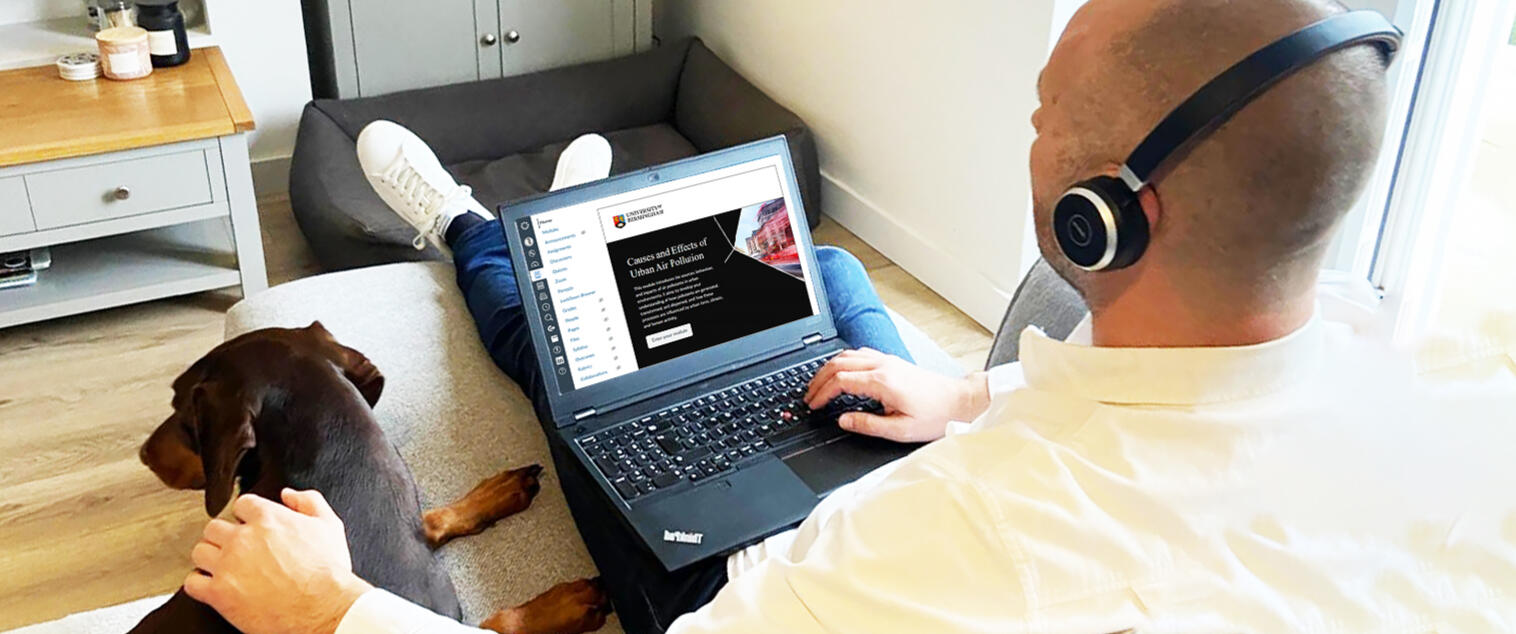
A UX (User Experience) approach to online learning
UX design is putting the end user at the forefront of your design and decision-making process, and therefore designing to and alongside their requirements and behaviours.When first approaching learning design from a UX perspective, I quickly noticed that there are two main user groups that we need to target and address to be successful, and that a successful online learning experience can only exist if both are addressed and working in synergy.User 1) Teacher and the design process
The first user in creating a successful online learning experience is the teacher or academic. These have to be engaged and onboard. A design system with a UX approach creates a process that is easy to understand and flows naturally. I broke our process down into six separate stages. These include an initial design outline through to personas, storyboarding and journey mapping, all allowing the academic to bring the student through to their required learning outcomes. Each stage effortlessly flows into the next.User 2) Students and the learner journey
The ultimate end user. This is the paying customer, the opinion former, and influencer. Everything designed in the UX approach has ultimately had this end user in mind. The UX first approach for this was taking a clean piece of paper and totally rethinking and redesigning the journey, but also the templates and pages within the Virtual Learning Environment. I used design psychology, combining usability best practices and design principles, to create a brand new VLE template and a learner journey that the end user could fully engage with, helping them to reach their learning goals in the most efficient and rewarding way possible. The overarching experience is that of a natural and free-flowing learning experience.Conclusion
The approach and design methodology have now been adopted by the University and its global partners, providing a full suite of VLE templates for both short courses and fully online postgraduate degrees. A global VLE vendor invited me to present and showcase this work at an international conference, which also resulted in a publication being produced from the event.Instructure publication
Instructure video presentation


content design
Urban Planning (Online MBA)
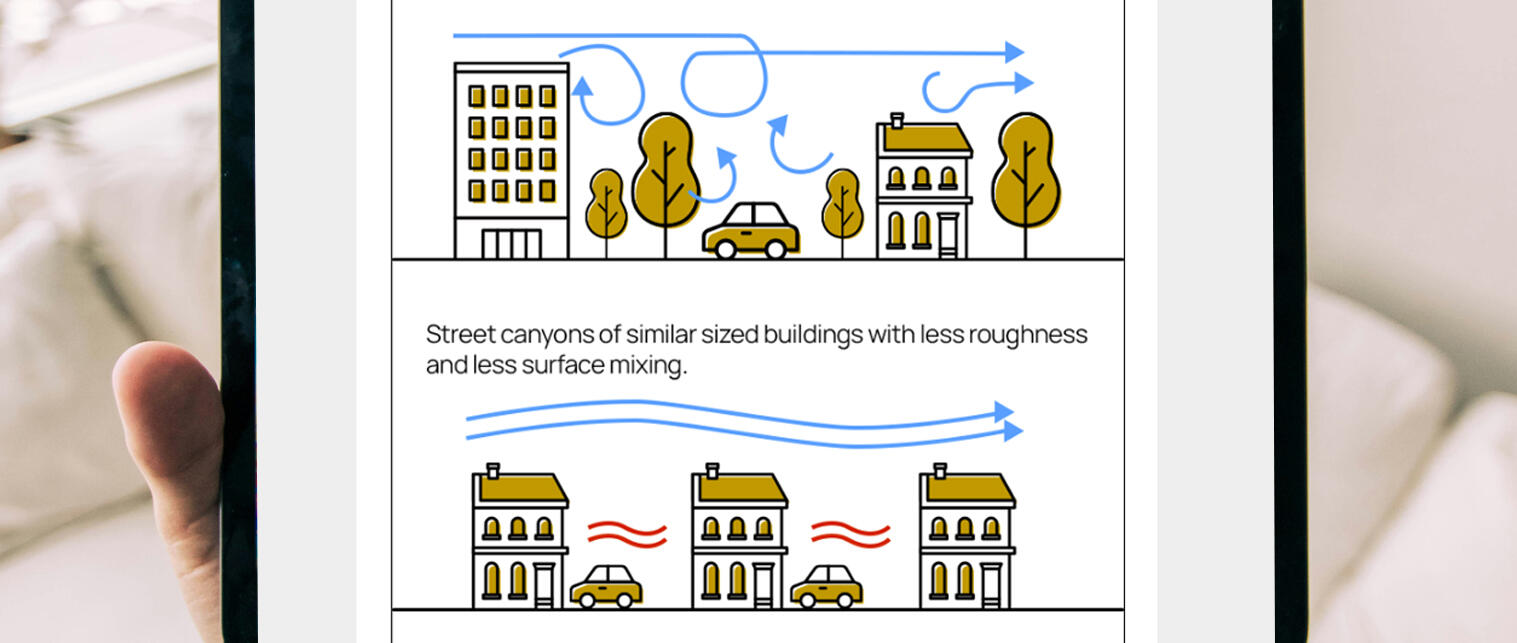
I was asked to design and build a learning programme for the next generation of urban planners. Because modern urban challenges are so complex, the programme needed to bring together different disciplines and show how they can work together to create smarter, more joined‑up solutions.To begin, I focused on structuring the information in a logical way and making sure it was presented in the right format for the user. Working closely with the subject‑matter expert, I encouraged clearer, more concise content and helped shape it so students could understand it quickly and confidently. This user‑centred approach allowed us to refine and iterate the material based on learners’ needs.Once the core content was clear, I identified opportunities where multimedia would strengthen key messages and support the required learning outcomes. This included:
Video production
Audio podcasts
Animation
Illustrations
Discussion events
By breaking down a complex topic into manageable, engaging sections—and by choosing the right media for each message—I created a module that, while challenging in subject matter, felt natural to navigate and kept students engaged from start to finish.


The working example below shows how content is provided and how it's then presented for the end user.

website design and optimisation
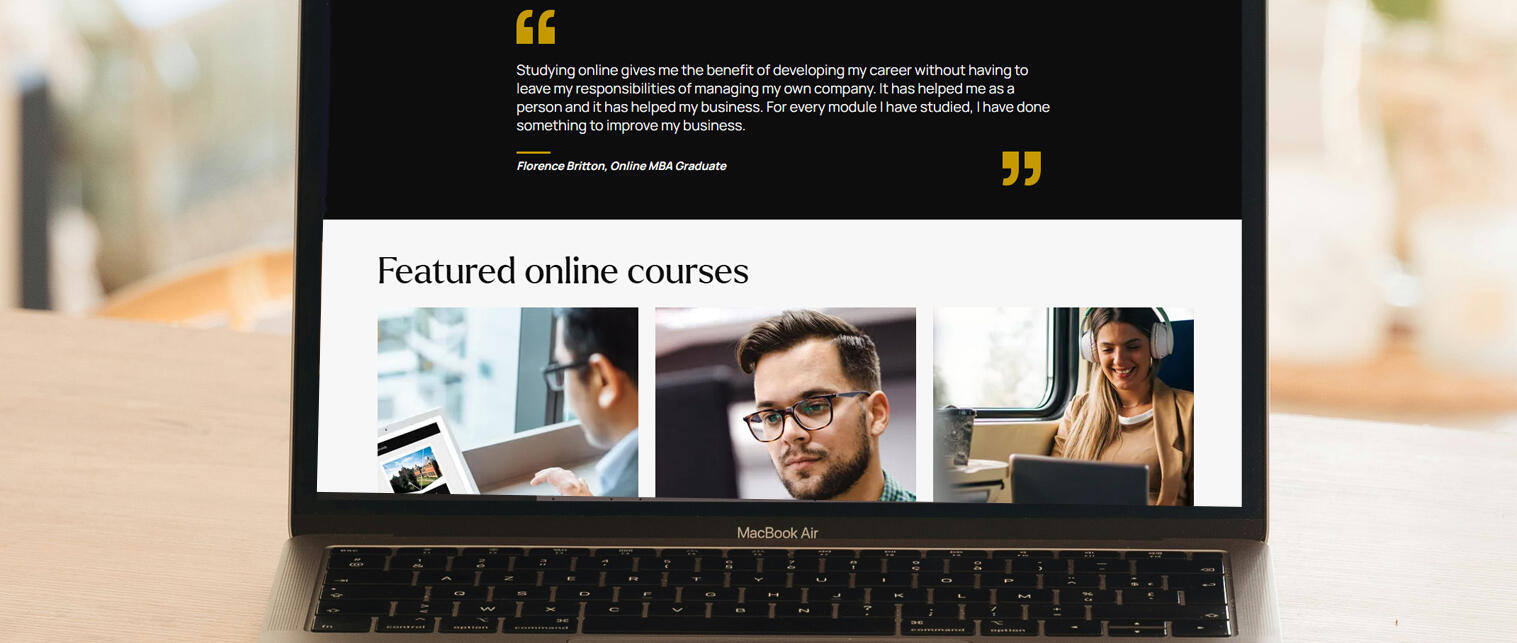
University of Birmingham (Study and course finder)
You can offer outstanding online courses and deliver fantastic learner outcomes, but if your recruitment journey isn’t working, everything else starts to lose impact. That was exactly the challenge I was given at the University of Birmingham: design a brand‑new online study section within the CMS that would boost enquiries and applications for our online courses.One of the first principles I work by is “If you design for everyone, you design for no one.” So before touching layouts or wireframes, I dug into research. I analysed the behaviours, motivations and concerns of online learners and developed detailed user personas. These profiles became the foundation for every design and content decision that followed.What quickly emerged was that online learners share very specific goals, anxieties, and common decision‑making patterns. Using these insights, I shaped the study area around themes that directly aligned with their needs. By solving those concerns upfront, the new section built trust fast—and made the journey from curiosity to enquiry feel far more natural.As a result, significant traffic to and from the study section and related course pages increased dramatically. That uplift translated directly into more enquiries and ultimately more applications for online programmes.Conclusion
By grounding the design in real user behaviour and optimising the experience around what online learners actually care about, we were able to turn a previously underperforming area into a high‑converting asset for the university.

